What a Difference a Day Makes
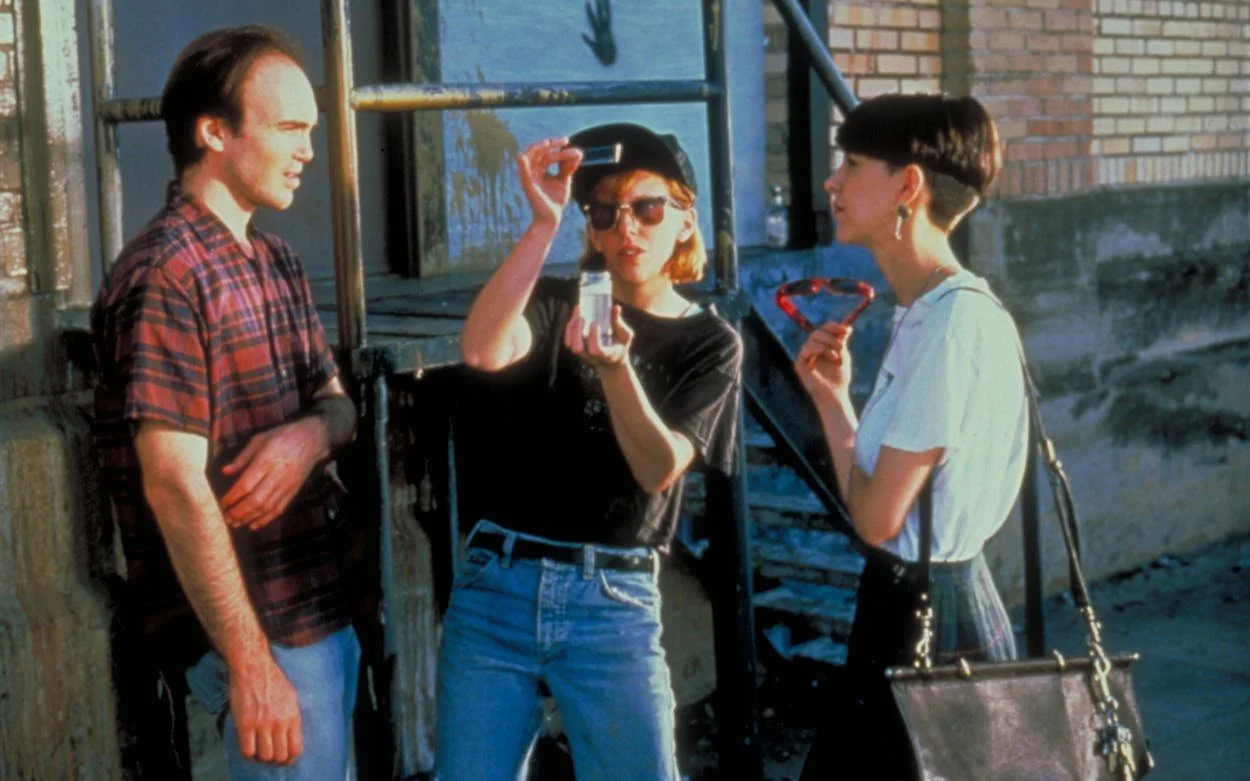
originally published on august 7, 2025 as part of the inaugural moving pictures club screening.
I often measure my life via movie runtimes.
When I’m at work, the clock always seems to stop at 3:24pm, making my 5pm clock-out feel entirely out of reach. That is until I remember I’m only one When Harry Met Sally… (aka 96 minutes) away from freedom.
Contextualizing life through film puts into perspective how much can happen in such a short span of time. Of course there are the big life events. Our births and deaths are timestamped. Relationships can forge within an instant. And there are plenty of films dissecting just these phenomena. In Agnès Varda’s Cléo from 5 to 7, a woman anxiously spends two hours awaiting the results of her biopsy. In Do the Right Thing, Spike Lee tracks a hot summer day as it slowly simmers into violence. Martin Scorsese’s After Hours poses the question, “What if one man’s night refused to end?”
Horror, love, absurdity. As Dinah Washington sings, what a difference a day makes.
Of the countless films which offer insight into a day’s goings on, Richard Linklater’s Slacker takes a memorably amorphous approach to the compendium of experiences found within a single day.
Born in Houston, Richard Linklater came of age in small towns scattered across Texas. With New York and L.A. out of reach, Linklater escaped to Austin and got to making films. Following the 1985 founding of the Austin Film Society and a streak of notable shorts, Linklater gained a respected reputation in the Texas film scene.
Initially conceived at 2am during a solo road trip, Slacker was always intended to challenge traditional filmmaking sensibilities. Linklater envisioned an experimental narrative which ping-ponged from character to character over the course of the day. The idea marinated for six years, throughout which Linklater collected moments which he later repurposed as dialogue.
One of Slacker’s most enduring bits came from a conversation Linklater shared with a dear friend in Missoula, Montana.
“A very intelligent, quirky friend of mine named Matt was theorizing on the pornography of the future,” Linklater shared. “He said it might be Madonna pap smears.”
The line became iconic. Its reader, drummer Teresa Taylor, made the poster for Slacker.
The beauty of Slacker lies in Linklater’s penchant for the quiet absurdity of day-to-day life. While many of us casually wade through the drudgery of our routine existence, Linklater chooses to highlight individual moments of heightened character which swim around us (and within us) throughout the day. Not every moment is about life or death. Sometimes it’s about pap smears (of the Madonna variety).
Thoughtful without being self serious, absurd without being alienating, and human without being precious, Slacker feels reminiscent of the best days wandering about Columbia, Missouri. As far away from New York and L.A. as can be, life can feel small and insignificant. That is, until we take a beat and soak in the cosmically small, idiosyncratically profound moments we collect throughout our days.
Richard Linklater captures the enormity of life in its silliest forms, demonstrating how the existential sum of our days can be neatly measured in 97 minutes.
For our inaugural theme “What a Difference a Day Makes,” the Moving Pictures Club proudly presents Slacker.