Guys, I Feel Kind of Funny
originally published on october 2, 2025 as part of moving pictures club.
I never used to like horror movies.
At age 7, the ending of the first Harry Potter kept me up for days. At 8, the Eddie Murphy Haunted Mansion sent me into one of my first anxiety attacks. At 9, a theatrical viewing of Scooby-Doo 2: Monsters Unleashed permanently changed my brain chemistry (though maybe that was for the best).
At 10, I decided horror (and its family friendly affiliates) wasn’t for me.
As a teen, I caved a few times with the classics, watching films like Psycho, Rosemary’s Baby, and The Shining through my fingers. But truth be told, I didn’t really get what made these films so great at first. The graphic visuals and unsettling tonalities were barriers to entry. For years, I chose a more comfortable lane.
Then in my early 20s, the bandaid was ripped off the first time I saw Ari Astor’s Hereditary.
Once the movie started, the only way out was through. I acquiesced and found catharsis in the decapitations and the demon witchcraft and the pagan rituals. And I found terror in Toni Collette screaming at the dinner table.
Astor’s storytelling techniques were broad enough to teach me what horror movies were really about. The beauty of horror lies in the ways it transcends intellectualism, mangling our fears into something corporeal and animalistic. Horror acts as a brutal reminder that our mind and bodies are and are not the same thing.
Horror films tap into the disconnect I have between my mind and my body — especially as I get older. I’d love to believe my anxiety or anger comes from some profound and fragile emotional need, but embarrassingly enough, I usually just need to eat or sleep.
No other genre unpacks this mind/body dilemma with as much potency.
One of my favorites to do it is the Y2K classic Ginger Snaps.
On the first day of her first period, 16-year-old Ginger is attacked by a mysterious creature in the dead of night. The next day, she starts to change. Then she starts to snap. When the titular Ginger of Ginger Snaps snaps, she opens up to her sister Brigitte,
“I get this ache... And I, I thought it was for sex, but it's to tear everything to fucking pieces.”
Girl, same.
We all live in flesh prisons and have no choice but to deal with the consequences.
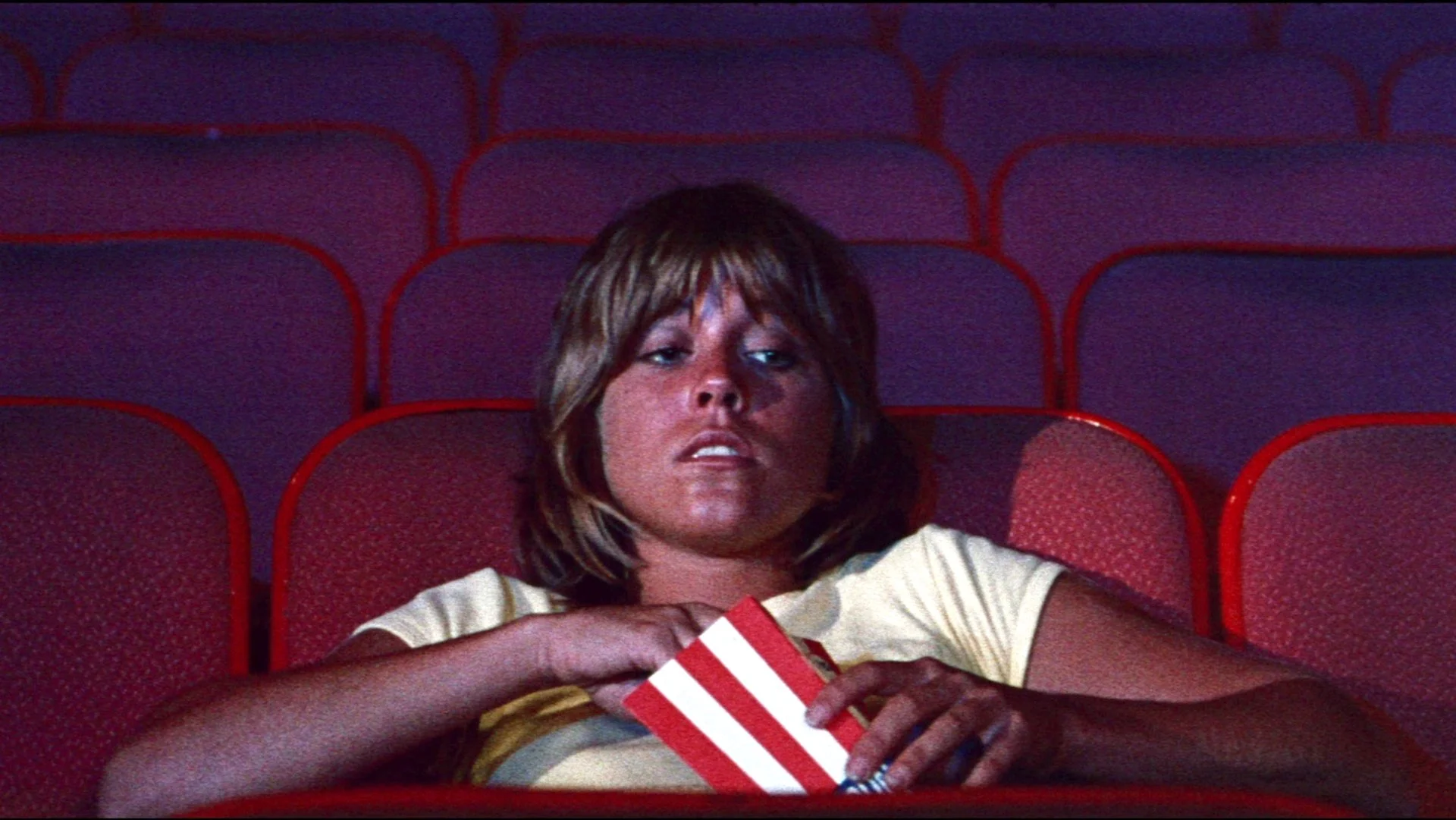
Tonight’s film, Messiah of Evil, speaks to a very specific fear of mine. The film begins with its protagonist, Arletty, driving to Point Dume to find her estranged father after he’s gone missing.
As I get older, so do my parents. And of course with time and age comes a higher probability that something will go wrong. The anxiety I feel when my mom calls me unexpectedly feels akin to the bodily panic I feel watching Arletty run from zombiefied hippies.
All she wanted to do was make sure her dad was okay.
For all of its low budget camp and absurdity, Messiah of Evil taps into a familiar anxiety . Atmospheric and otherworldly in nature, this film has got everything: albinos, cannibal vampires, blood moons, and of course some sick kills.
At 30, horror films comfort me through my own physical and emotional troubles — of which there are many. I know now what I didn’t at 7: in this life, discomfort is unavoidable. Choosing to lean into the discomfort is, for me, what makes it bearable.